Buy affiliator.com ?
We are moving the project
affiliator.com .
Are you interested in purchasing the domain
affiliator.com ?
domain@kv-gmbh.de · 0541-91531010
Buy affiliator.com ?
Is it a genitive object or an adverbial genitive?
The distinction between a genitive object and an adverbial genitive depends on the function of the genitive in the sentence. A genitive object typically functions as the direct object of a verb, indicating possession or association, while an adverbial genitive modifies the action of the verb, indicating manner, time, place, or other circumstances. To determine whether a genitive is a genitive object or an adverbial genitive, it is important to analyze the role it plays in the sentence and its relationship to the verb and other elements. **
'Genitive or accusative?'
The genitive case is used to show possession or relationship between nouns, while the accusative case is used to show the direct object of a verb. In general, the genitive case is used to indicate ownership or association, while the accusative case is used to indicate the direct object of a verb or the object of a preposition. The choice between genitive and accusative depends on the specific context and the grammatical rules of the language being used. **


Similar search terms for Genitive
Top-Angebote
Products related to Genitive:
-
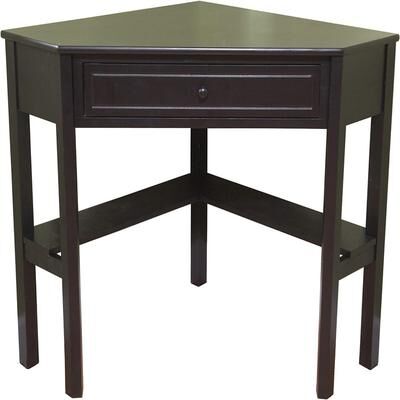
No Marketing Systems Wood Corner Desk"The corner desk measures 42"" X 28"" X 30"" And Weighs 42 lbs. Arrives with only minimal Assembly required. Comfortably fitting in any home, studio, apartment, and office, The small corner writing desk maximizes space in compact rooms."258,89 $*Shipping: 0,00 $Secure redirect to the provider
-
Coach House Partners Spitfire Metal Construction SetCelebrate one of Britain’s most iconic aircraft with the Coach House Partners Spitfire Metal Construction Set. Designed as a detailed, hands‑on build, this model pays tribute to the legendary Spitfire, a symbol of British engineering and aviation history. With 285 precision metal components, this construction set offers a rewarding build that balances challenge with clarity. Clear, colour step‑by‑step instructions guide you through the process, while the included specialist tools ensure everything you need is close at hand. Once complete, the finished model makes an impressive display piece, showcasing the distinctive shape and presence of the original aircraft. Ideal for teenagers and adults alike, this set encourages patience, problem‑solving and practical engineering skills. Expect a build time of around three to five hours, making it a satisfying project rather than a quick assembly. Finished model dimensions: 11(H) x 40(W) x 35(D) cm. Recommended age: 12+ (parental guidance advised).24,99 £*Shipping: 3,50 £Secure redirect to the provider
-
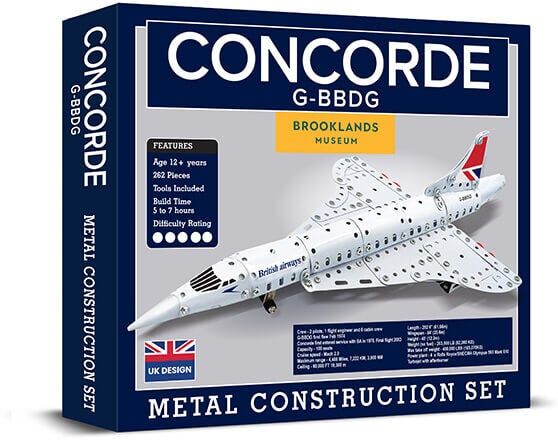
Coach House Partners Concorde Metal Construction SetRecreate one of the most extraordinary achievements in aviation history with the Coach House Partners Concorde Metal Construction Set. Developed in association with Brooklands Museum, Weybridge, this detailed model represents British Airways Concorde G‑BBDG, which took its maiden flight in February 1974. Concorde was a British‑French turbojet aircraft capable of flying at over twice the speed of sound, transforming long‑distance travel by cutting transatlantic flight times to just a few hours. This construction set captures the sleek proportions and distinctive design that made Concorde an enduring symbol of innovation and luxury air travel. Comprising 269 precision‑engineered stainless‑steel pieces, the set offers a challenging and rewarding build for those who enjoy detailed modelling projects. Clear, colour step‑by‑step instructions guide the process, while the included specialist tools ensure everything needed is ready to use. With an estimated build time of five to seven hours, this is a satisfying project that results in an impressive display model. Designed for teenagers and adults, the set also supports the development of fine motor skills, patience and basic mechanical understanding. Parental guidance is recommended. Finished model dimensions: 14(H) x 24(W) x 52(D) cm. Recommended age: 12+.24,99 £*Shipping: 3,50 £Secure redirect to the provider
-
Coach House Partners Tractor Metal Construction SetRecreate a familiar sight from rural life with the Coach House Partners Tractor Metal Construction Set. This detailed model celebrates the enduring role of the tractor in farming and agriculture, capturing the practical design and robust character of this essential working vehicle. The set includes 295 precision‑engineered stainless‑steel pieces, with the main body finished in a traditional green colour for an authentic appearance. Clear, colour step‑by‑step instructions guide you through the build, while the included specialist tools ensure everything needed is ready to use from the outset. Once completed, the model makes a compact and characterful display piece. With an estimated build time of two to four hours, this construction set offers a satisfying hands‑on project for teenagers and adults who enjoy detailed modelling. It also supports fine motor skills, patience and basic mechanical understanding. Parental guidance is recommended. Finished model dimensions: 12(H) x 12.8(W) x 29(D) cm. Recommended age: 12+.24,99 £*Shipping: 3,50 £Secure redirect to the provider


-
Genitive or accusative?
The genitive case is used to show possession or relationship between nouns, while the accusative case is used to show the direct object of a verb or the object of certain prepositions. In general, the genitive case is used to indicate possession or belonging, while the accusative case is used to indicate the direct object of a verb or the object of a preposition. The choice between genitive and accusative depends on the specific context and the grammatical rules of the language being used. **
-
Nominative or genitive?
Nominative and genitive are both grammatical cases in many languages, including Latin and German. The nominative case is used for the subject of a sentence, while the genitive case is used to show possession or relationship between nouns. In English, the genitive case is often indicated by adding an apostrophe and an "s" to a noun. **
-
What is the difference between genitive attribute and genitive object?
The genitive attribute is a noun or pronoun that describes another noun by showing possession or association, typically indicated by the use of an apostrophe and the letter "s" ('s) or simply an apostrophe ('). For example, in the phrase "the car's color," "car's" is the genitive attribute describing the color. On the other hand, the genitive object is a noun or pronoun that receives the action of a verb and is also in the genitive case, indicating possession or association. For example, in the phrase "I saw the dog's tail," "dog's" is the genitive object showing possession of the tail. In summary, the genitive attribute describes the noun it is attached to, while the genitive object receives the action of the verb and shows possession or association. **
-
Dative or Genitive 2?
The choice between dative and genitive case in German depends on the verb or preposition being used. "Dative" is used to indicate the indirect object of a sentence, while "genitive" is used to show possession or a relationship between two nouns. "Genitive 2" specifically refers to the genitive case used after certain prepositions, such as trotz (despite) or während (during). It's important to learn the specific prepositions and verbs that require either dative or genitive case in order to use them correctly in German sentences. **


What is the difference between the genitive attribute and the genitive object?
The genitive attribute is a noun or pronoun that is used to describe another noun, showing possession or relationship, and is typically placed before the noun it is modifying. For example, "the car's color" where "car's" is the genitive attribute. On the other hand, the genitive object is a noun or pronoun that is the direct object of a verb and is in the genitive case to show possession or relationship. For example, "I saw the dog's tail" where "tail" is the genitive object. In summary, the genitive attribute describes a noun, while the genitive object is the direct object of a verb and shows possession or relationship. **
'After ways comes the genitive.'
In Latin grammar, the genitive case is used to show possession or relationship between nouns. It typically follows prepositions like "of" or "from" and is used to indicate the source, origin, or possession of something. The genitive case is an important aspect of Latin syntax and is commonly used in various constructions to convey different meanings. Understanding the genitive case is crucial for mastering Latin grammar and accurately expressing relationships between nouns. **
Top-Angebote
Products related to Genitive:
-
Mastertronic Partners Turn-based Strategy Game PC (Disc) - PEGI 7 - Mastertronic PartnersTurn-based strategy game for PC set in a world where industrial expansion is consuming the land itself. Lead one of four factions across hexagonal battlefields, gathering resources while deciding which territory must be defended and which can be sacrificed. Strategic battles on collapsing terrain require careful planning, as every decision changes the battlefield. Harvesting provides the resources needed to expand your forces, but it also weakens the land beneath them. Deploy your army, exploit changing terrain, and remove enemy positions before your own foothold disappears. The game features turn-based strategy gameplay with four playable factions, a single-player campaign offering more than 10 hours of play, and support for matches with up to four players. Format: Physical PC DVD-ROM. Suitable for players aged 7 and above.5,79 £*Shipping: 3,95 £Secure redirect to the provider
-
No Marketing Systems Wood Corner Desk"The corner desk measures 42"" X 28"" X 30"" And Weighs 42 lbs. Arrives with only minimal Assembly required. Comfortably fitting in any home, studio, apartment, and office, The small corner writing desk maximizes space in compact rooms."258,89 $*Shipping: 0,00 $Secure redirect to the provider
-
Coach House Partners Spitfire Metal Construction SetCelebrate one of Britain’s most iconic aircraft with the Coach House Partners Spitfire Metal Construction Set. Designed as a detailed, hands‑on build, this model pays tribute to the legendary Spitfire, a symbol of British engineering and aviation history. With 285 precision metal components, this construction set offers a rewarding build that balances challenge with clarity. Clear, colour step‑by‑step instructions guide you through the process, while the included specialist tools ensure everything you need is close at hand. Once complete, the finished model makes an impressive display piece, showcasing the distinctive shape and presence of the original aircraft. Ideal for teenagers and adults alike, this set encourages patience, problem‑solving and practical engineering skills. Expect a build time of around three to five hours, making it a satisfying project rather than a quick assembly. Finished model dimensions: 11(H) x 40(W) x 35(D) cm. Recommended age: 12+ (parental guidance advised).24,99 £*Shipping: 3,50 £Secure redirect to the provider
-
Is it a genitive object or an adverbial genitive?
The distinction between a genitive object and an adverbial genitive depends on the function of the genitive in the sentence. A genitive object typically functions as the direct object of a verb, indicating possession or association, while an adverbial genitive modifies the action of the verb, indicating manner, time, place, or other circumstances. To determine whether a genitive is a genitive object or an adverbial genitive, it is important to analyze the role it plays in the sentence and its relationship to the verb and other elements. **
-
'Genitive or accusative?'
The genitive case is used to show possession or relationship between nouns, while the accusative case is used to show the direct object of a verb. In general, the genitive case is used to indicate ownership or association, while the accusative case is used to indicate the direct object of a verb or the object of a preposition. The choice between genitive and accusative depends on the specific context and the grammatical rules of the language being used. **
-
Genitive or accusative?
The genitive case is used to show possession or relationship between nouns, while the accusative case is used to show the direct object of a verb or the object of certain prepositions. In general, the genitive case is used to indicate possession or belonging, while the accusative case is used to indicate the direct object of a verb or the object of a preposition. The choice between genitive and accusative depends on the specific context and the grammatical rules of the language being used. **
-
Nominative or genitive?
Nominative and genitive are both grammatical cases in many languages, including Latin and German. The nominative case is used for the subject of a sentence, while the genitive case is used to show possession or relationship between nouns. In English, the genitive case is often indicated by adding an apostrophe and an "s" to a noun. **
Similar search terms for Genitive
-
Coach House Partners Concorde Metal Construction SetRecreate one of the most extraordinary achievements in aviation history with the Coach House Partners Concorde Metal Construction Set. Developed in association with Brooklands Museum, Weybridge, this detailed model represents British Airways Concorde G‑BBDG, which took its maiden flight in February 1974. Concorde was a British‑French turbojet aircraft capable of flying at over twice the speed of sound, transforming long‑distance travel by cutting transatlantic flight times to just a few hours. This construction set captures the sleek proportions and distinctive design that made Concorde an enduring symbol of innovation and luxury air travel. Comprising 269 precision‑engineered stainless‑steel pieces, the set offers a challenging and rewarding build for those who enjoy detailed modelling projects. Clear, colour step‑by‑step instructions guide the process, while the included specialist tools ensure everything needed is ready to use. With an estimated build time of five to seven hours, this is a satisfying project that results in an impressive display model. Designed for teenagers and adults, the set also supports the development of fine motor skills, patience and basic mechanical understanding. Parental guidance is recommended. Finished model dimensions: 14(H) x 24(W) x 52(D) cm. Recommended age: 12+.24,99 £*Shipping: 3,50 £Secure redirect to the provider
-
Coach House Partners Tractor Metal Construction SetRecreate a familiar sight from rural life with the Coach House Partners Tractor Metal Construction Set. This detailed model celebrates the enduring role of the tractor in farming and agriculture, capturing the practical design and robust character of this essential working vehicle. The set includes 295 precision‑engineered stainless‑steel pieces, with the main body finished in a traditional green colour for an authentic appearance. Clear, colour step‑by‑step instructions guide you through the build, while the included specialist tools ensure everything needed is ready to use from the outset. Once completed, the model makes a compact and characterful display piece. With an estimated build time of two to four hours, this construction set offers a satisfying hands‑on project for teenagers and adults who enjoy detailed modelling. It also supports fine motor skills, patience and basic mechanical understanding. Parental guidance is recommended. Finished model dimensions: 12(H) x 12.8(W) x 29(D) cm. Recommended age: 12+.24,99 £*Shipping: 3,50 £Secure redirect to the provider
-
Coach House Partners Delorean Metal Construction SetRecreate one of the most instantly recognisable cars in automotive and film history with the Coach House Partners DeLorean Metal Construction Set. Originally produced in the early 1980s and designed by Giorgetto Giugiaro, the DeLorean is famed for its gull‑wing doors, brushed stainless‑steel body panels and its iconic role as the time machine in the Back to the Future film trilogy. This detailed construction set allows builders to assemble a faithful metal replica of the legendary car using high‑quality stainless‑steel components. Clear, colour step‑by‑step instructions guide the build, while the included specialist tools ensure everything needed is ready to use from the outset. The finished model captures the DeLorean’s distinctive shape and futuristic character, making it a standout display piece once complete. With an estimated build time of three to five hours, this set offers a rewarding hands‑on project for teenagers and adults who enjoy detailed modelling and iconic design. It also supports fine motor skills, patience and basic mechanical understanding. Parental guidance is recommended. Recommended age: 12+.24,99 £*Shipping: 3,50 £Secure redirect to the provider
-
HARPERCOLLINS Donald Miller 3 Book Collection Set – Business Made Simple, Marketing Made Simple & How to Grow Your Small Business Entrepreneurship & Marketing GuiDonald Miller Collection 3 Books Set (How to Grow Your Small Business, Business Made Simple, Marketing Made Simple): How to Grow Your Small Business: Speak to the heart of your target audience and create a movement around your mission or campaign through this comprehensive, step-by-step approach to crafting messages that resonate. Donald Miller, author of the bestselling Building a StoryBrand, has helped thousands of individuals, corporations, and justice-oriented organizations turn vision into action using the organized, easy to implement communication framework outlined in these pages. Business Made Simple: Donald Miller knows that business is more than just a good idea made profitable it s a system of unspoken rules, rarely taught by MBA schools. If you are attempting to profitably grow your business or career, you need elite business knowledge knowledge that creates tangible value. Even if you had the time, access, or money to attend a Top 20 business school, you would still be missing the practical knowledge that propels the best and brightest forward. Marketing Made Simple: Donald Miller, is a must-have for any marketing professional or small business owner who wants grow their business.It will teach you how to create and implement a sales funnel that will increase traffic and drive sales. Every day, your company is losing sales simply because you do not have a clear path to attract new customers. You’re not alone. Based on proven principles from Building a StoryBrand , this 5-part checklist is the ultimate resource for marketing professionals and business owners as they cultivate a sales funnel that flows across key customer touchpoints to effectively develop, strengthen, and communicate their brand’s story to the marketplace.18,99 £*Shipping: 2,99 £Secure redirect to the provider
-
What is the difference between genitive attribute and genitive object?
The genitive attribute is a noun or pronoun that describes another noun by showing possession or association, typically indicated by the use of an apostrophe and the letter "s" ('s) or simply an apostrophe ('). For example, in the phrase "the car's color," "car's" is the genitive attribute describing the color. On the other hand, the genitive object is a noun or pronoun that receives the action of a verb and is also in the genitive case, indicating possession or association. For example, in the phrase "I saw the dog's tail," "dog's" is the genitive object showing possession of the tail. In summary, the genitive attribute describes the noun it is attached to, while the genitive object receives the action of the verb and shows possession or association. **
-
Dative or Genitive 2?
The choice between dative and genitive case in German depends on the verb or preposition being used. "Dative" is used to indicate the indirect object of a sentence, while "genitive" is used to show possession or a relationship between two nouns. "Genitive 2" specifically refers to the genitive case used after certain prepositions, such as trotz (despite) or während (during). It's important to learn the specific prepositions and verbs that require either dative or genitive case in order to use them correctly in German sentences. **
-
What is the difference between the genitive attribute and the genitive object?
The genitive attribute is a noun or pronoun that is used to describe another noun, showing possession or relationship, and is typically placed before the noun it is modifying. For example, "the car's color" where "car's" is the genitive attribute. On the other hand, the genitive object is a noun or pronoun that is the direct object of a verb and is in the genitive case to show possession or relationship. For example, "I saw the dog's tail" where "tail" is the genitive object. In summary, the genitive attribute describes a noun, while the genitive object is the direct object of a verb and shows possession or relationship. **
-
'After ways comes the genitive.'
In Latin grammar, the genitive case is used to show possession or relationship between nouns. It typically follows prepositions like "of" or "from" and is used to indicate the source, origin, or possession of something. The genitive case is an important aspect of Latin syntax and is commonly used in various constructions to convey different meanings. Understanding the genitive case is crucial for mastering Latin grammar and accurately expressing relationships between nouns. **
* All prices are inclusive of VAT and, if applicable, plus shipping costs. The offer information is based on the details provided by the respective shop and is updated through automated processes. Real-time updates do not occur, so deviations can occur in individual cases. ** Note: Parts of this content were created by AI.